What if health was seen not as self-focus, but as an act of service? That question sits at the heart of Transformed, a faith-led wellbeing initiative redefining what it means to live well.
The idea for Transformed emerged out of As One, a major Pentecost gathering that brought together West Auckland churches, most serving Pasifika congregations. As One was designed to build unity and connection across the church community. With the theme derived from a verse in Esther “for such a time as this” It sparked momentum and an opportunity for collective action and opened the door for something deeper: a shared focus on holistic wellbeing grounded in faith “for such a time as this”.
From that space, Transformed was born, an initiative exploring how a collective, church-based approach to health could inspire lasting lifestyle change. The early results showed it could. When health was framed as an act of service, caring for the body so it can be of better service, people took notice. Members embraced movement, nutrition education, and shared accountability with enthusiasm rooted in purpose.
Insights revealed how deeply faith shapes motivation for health within Pasifika congregations. People spoke about their bodies as vessels for service and their health as part of their spiritual calling. Rooted in Romans 12:2, “Be transformed by the renewing of your mind”, the initiative calls people to view health as more than a personal goal. It’s a form of stewardship; a way to honour God by caring for the bodies and minds entrusted to us. For many, this meant reframing physical activity itself as “a spiritual act of worship”, movement offered back to God as part of their faith, not separate from it.
For Pasifika families, service sits at the centre of life. The Samoan proverb reminds us: O le ala i le pule o le tautua – the path to leadership is through service. Yet that very devotion can mean personal wellbeing is often the last priority. Transformed reframes this, offering a new perspective: caring for one’s own health is essential to be better equipped to serve God, whānau, and community well. “We can only do the Lord’s work from a full cup,” one person reflected.
This approach also echoes holistic Pasifika and Māori health models such as Fonofale and Te Whare Tapa Whā, where wellbeing is understood as the balance between physical, spiritual, mental, and social pillars of life. These models recognise that health is sustained through connection – to faith, family, and community – and that spiritual wellbeing underpins every other dimension. Transformed sits naturally within this worldview, where caring for the body is inseparable from caring for the spirit.
“Churches are among the most trusted and connected spaces in Pasifika communities,” says Michael Collins, who leads the initiative for Healthy Families Waitākere. “By partnering through faith, we’re strengthening natural systems of support, reconnecting health to identity, service, and purpose.”
What movement looks like also carries its own meaning. For many people, being “healthy” isn’t about rigid workout routines or running marathons, it’s about living a full life. It means not breathing heavily when walking upstairs, having the energy to chase tamariki around the park, or joining in a family game without feeling limited. “Being able to move with ease. Glowing skin. Being happy,” said one participant. “To be able to enjoy the sports I love, and run after the kids without huffing and puffing after only five minutes.” In this way, Transformed broadens the definition of physical activity: movement becomes a reflection of vitality, belonging, and joy, a way to stay connected to whānau and life itself.
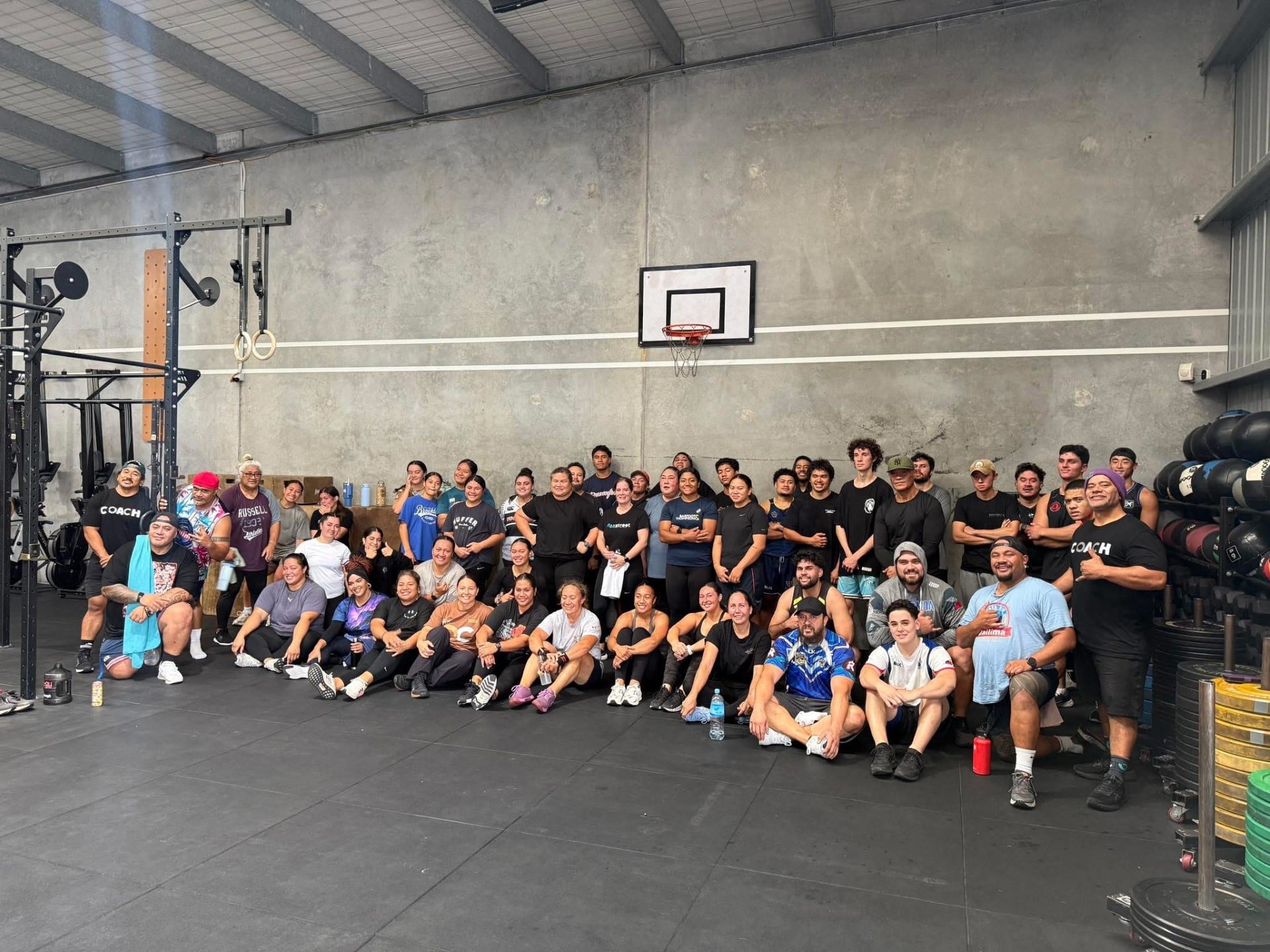
Now, with support from Hāpai te Hauora and The Fono, and overseen by Healthy Families Waitākere alongside CCF Church and its Health Komiti, Transformed is entering its next phase, a 12-week prototype at Overflow, a faith-based gym in West Auckland. Here, the practical meets the spiritual: people train body, mind, and spirit through physical activity, tailored nutrition, and Christian reflection. They explore not only what it means to be fit, but what it means to be faithful, and how the two sustain each other.
In that sense, Transformed is a cultural and spiritual renewal. It asks: what does a healthy church look like? For some, it’s “a place where people can move freely, eat well, pray together, and look after each other.” For others, it’s “a second home, a space where people care deeply for themselves and one another, physically and spiritually.” Across every voice weaves the same thread: wellbeing is not separate from faith. It is faith, lived through action.
By grounding wellbeing in spirituality and collective identity, Transformed is reframing health as an act of service, and churches as the modern village where that transformation takes place.